
Introduction
Glycosylation is a vital biochemical system that contains the attachment of carbohydrates to proteins, forming glycoproteins. This amendment plays a very important position in a wide range of organic functions, together with protein stability, folding, and mobile interactions. In the context of monoclonal antibodies (mAbs), glycosylation severely influences their healing efficacy. As researchers delve deeper into glycoengineering—an cutting edge procedure to editing glycan structures—there may be rising awareness of its energy to boost mAb functionality.
In this article, we’ll discover glycosylation and its impression on monoclonal antibodies as a result of accomplished sections detailing a good number of aspects such as glycoproteomics, carbohydrate-protein interactions, and more. By interpreting how those variations can boost the efficacy of mAbs, we target to deliver a thorough realizing for equally researchers and practitioners involved in biotherapeutics.
Glycosylation and Its Role in Protein Functionality
What is Glycosylation?
Glycosylation refers to the enzymatic procedure that attaches glycans—sugar molecules—to proteins or lipids. This post-translational modification can arise in a range of bureaucracy, along with N-related and O-associated glycosylation. It serves now not merely to stabilize proteins Article source but also influences their position, localization, and interplay with other biomolecules.
Types of Glycosylation
Importance of Glycosylation
The presence and constitution of glycans can dictate assorted homes of proteins:
- Stability: Proper glycan platforms can reinforce protein steadiness less than physiological circumstances.
- Solubility: Glycans oftentimes recover protein solubility by imparting hydrophilic surfaces.
- Cellular Interactions: Glycans facilitate substantive interactions between cells and their ambiance as a result of receptors.
Monoclonal Antibodies: Structure and Function
Definition of Monoclonal Antibodies
Monoclonal antibodies are exact copies derived from a unmarried just like immune cells. They are designed to aim categorical antigens chanced on on pathogens or diseased cells.
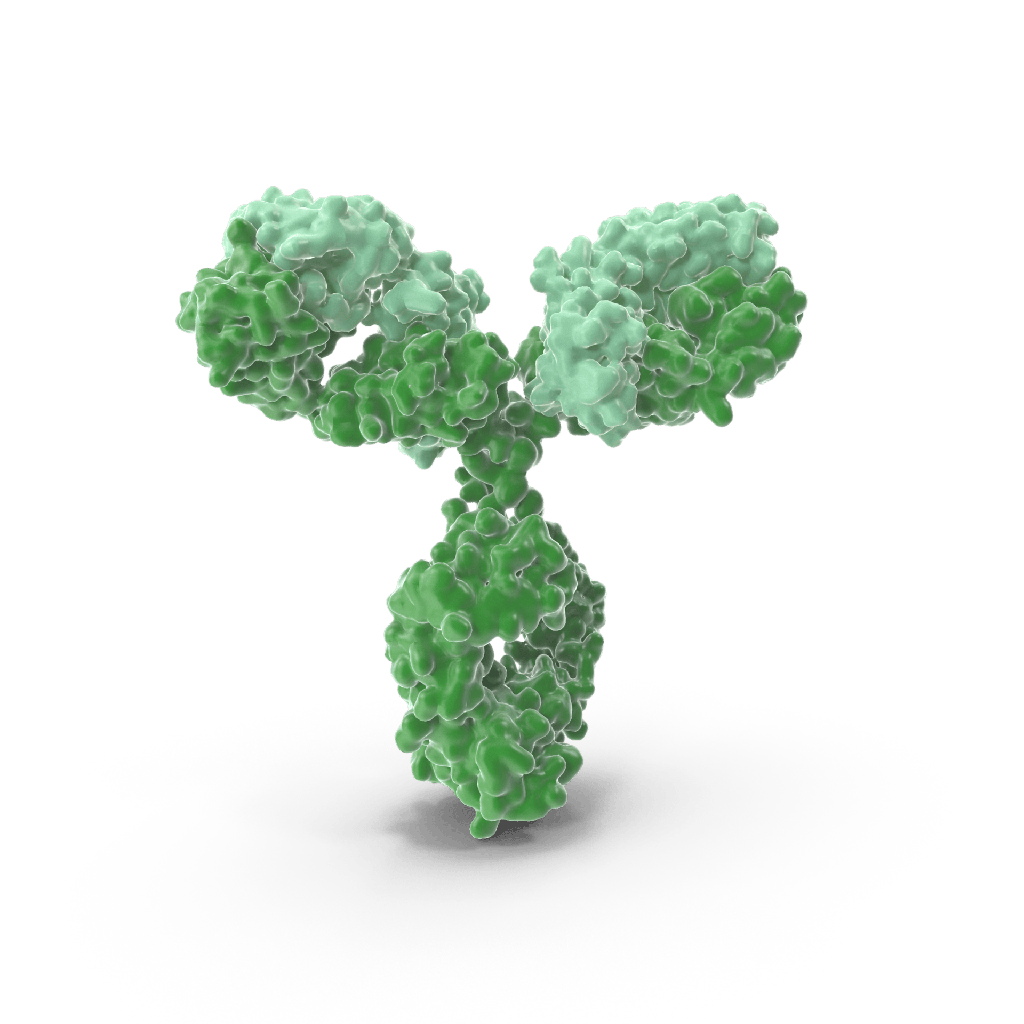
Structure of Monoclonal Antibodies
MAbs consist by and large of two leading substances:
- Fab Region: The variable sector that binds peculiarly to an antigen.
- Fc Region: The constant region chargeable for mediating effector purposes like antibody-based cell cytotoxicity (ADCC).
Application Areas for Monoclonal Antibodies
Monoclonal antibodies play incredible roles throughout different fields:
- Therapeutic Applications: Used in treating illnesses like most cancers by targeting tumor-linked antigens.
- Diagnostic Tools: Employed in assays comparable to ELISA for detecting actual antigens.
Glycosylation Profiles in Monoclonal Antibodies
Importance of Glycan Structures
The glycan profiles attached to mAbs can somewhat impact their pharmacokinetics (PK) and pharmacodynamics (PD).
Key Factors Influenced by way of Glycans:
Techniques for Analyzing Glycan Profiles
Analyzing glycan constructions is paramount for expertise their outcomes on mAb performance:
- Mass Spectrometry for Glycans: Provides unique compositional prognosis.
- Glycan Mapping Techniques: Enables id and characterization of advanced glycan structures.
Glycoengineering Approaches for Enhanced Efficacy
What is Glycoengineering?
Glycoengineering is the targeted alteration or layout of glycan buildings on therapeutic proteins to optimize their homes. This imaginitive attitude harnesses biochemical engineering techniques to create ‘next-era’ biologics with superior functionalities.
Strategies for Glycoengineering
Examples:
- Adjusting sialic acid content can result in advanced anti-inflammatory homes.
- Altering fucosylation styles enhances ADCC recreation against aim cells.
Carbohydrate–Protein Interactions
Understanding Interactions Between Carbohydrates and Proteins
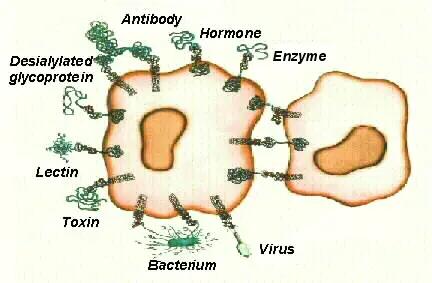
Carbohydrate-protein interactions are primary to many biological methods including mobile phone signaling, immune response modulation, and pathogen reputation.
Mechanisms Involved:
Applications in Therapeutic Development
Role of Glycobiology-Based Vaccines
Recent advancements have showcased how engineered glycoconjugates sort the premise for imaginative vaccine designs concentrating on infectious ailments by means of improved immunogenicity.

Therapeutic Glycoproteins
Many healing brokers now leverage engineered glycans for more suitable steadiness and efficacy; fantastic examples embody:
- Hormones like erythropoietin which require particular glycan constructions for hobby.
FAQs approximately Glycosylation in Monoclonal Antibodies
- By changing particular carbohydrate structures because of genetic or enzymatic tactics, researchers can strengthen therapeutic effortlessly which include greater ADCC interest or lengthy circulate time.
- Yes, optimized glycan profiles can lead to more effective scientific outcome with the aid of enhancing drug effectiveness when minimizing adverse reactions on account of decreased immunogenicity.
- Understanding those interactions allows establish novel objectives within ailment pathways when informing layout thoughts that raise specificity towards favored cell pathways.
Conclusion
Understanding glycosylation gives useful insights into optimizing monoclonal antibodies by glycoengineering. By manipulating glycan profiles, researchers can tailor mAbs for larger efficacy at the same time as minimizing part consequences associated with their use as therapeutics. As we maintain exploring glycoproteomics and glycomics, it will become transparent that studying those modifications presents promising avenues toward bettering modern-day biopharmaceutical practices.
This article captures the tricky information surrounding “Glycosylation and Its Impact on Monoclonal Antibodies” whilst maintaining a pro tone suited for an educated target market excited by advancing potential within this an important subject of studies.